Most learning materials are grounded
Yet it is a thoughtful, beautiful presentation of learning
that makes knowledge easier to remember.
Kiwio knows this well: he is a flightless bird himself.
Most educational aids are “flightless birds”: they focus on passing on knowledge and forget about form. The patron of our mission is a kiwi, a flightless bird. His name is Kiwio, and we want to give him wings.
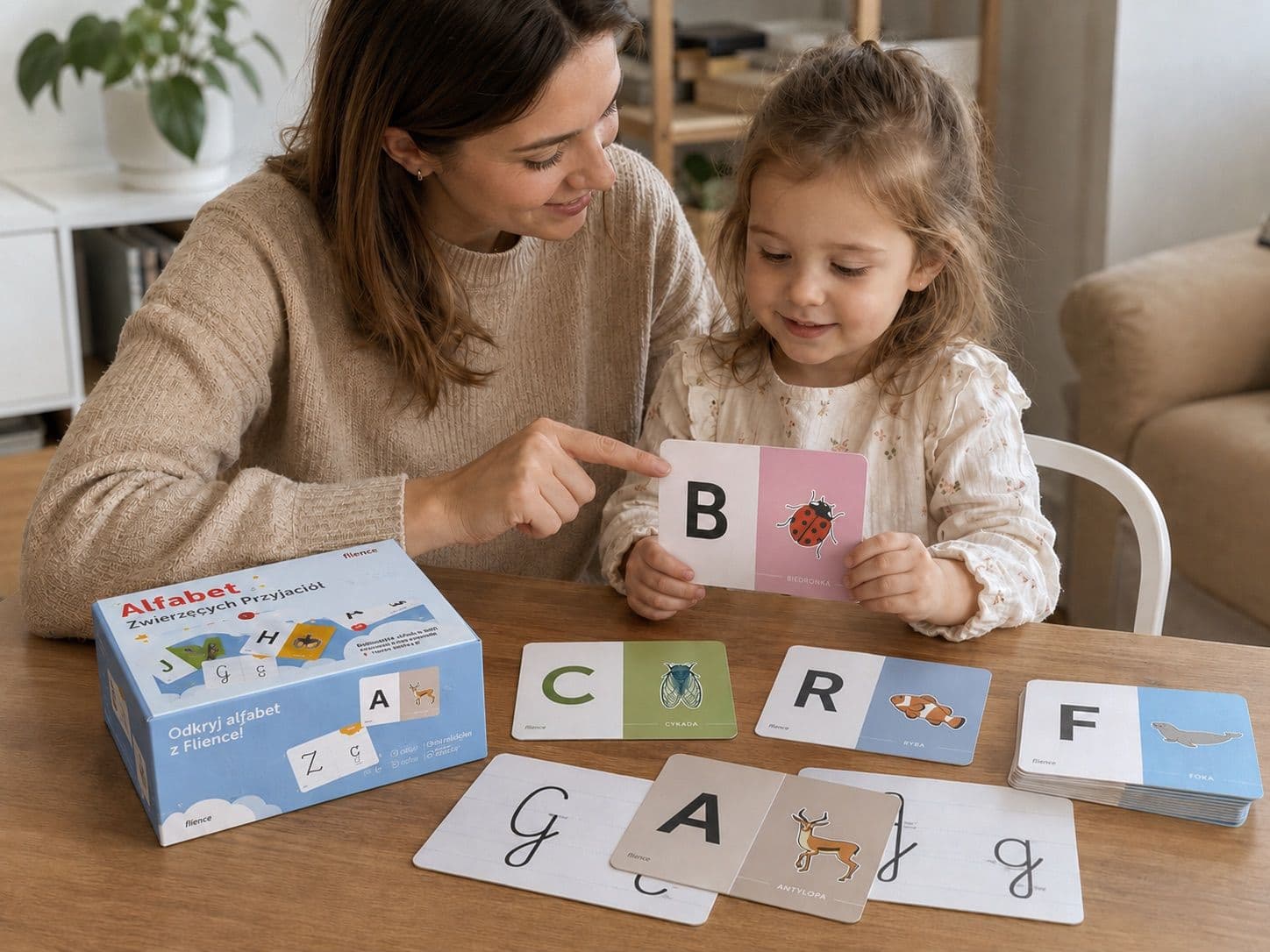
Before a card reaches its box and a poster reaches the wall, it goes through sketches, test prints and prototypes. This is how Flience materials are made.


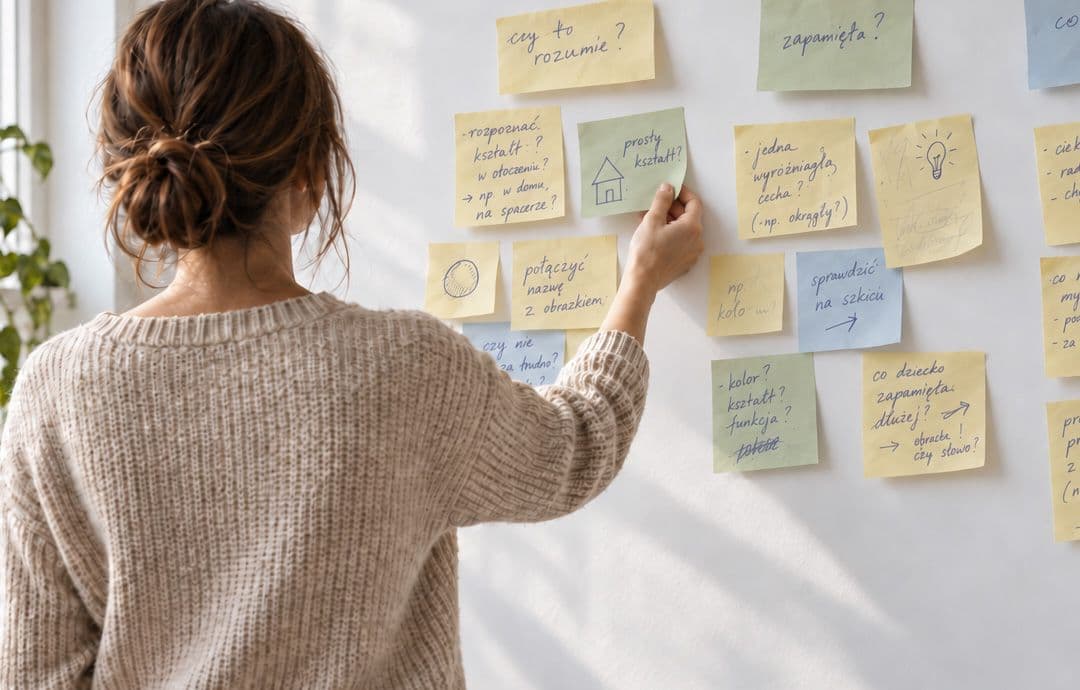
Every project starts with a question: what should a child understand and remember? Only then do we pick up a pencil.
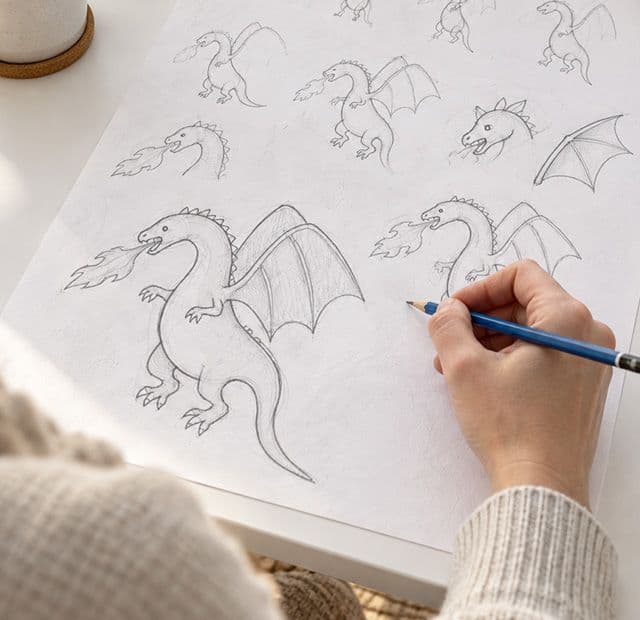
We sketch a lot and show the sketches to children. If an idea does not work on paper, colour will not save it.
Planets, elements, continents and letters start on paper, in many variants of layout and proportion.


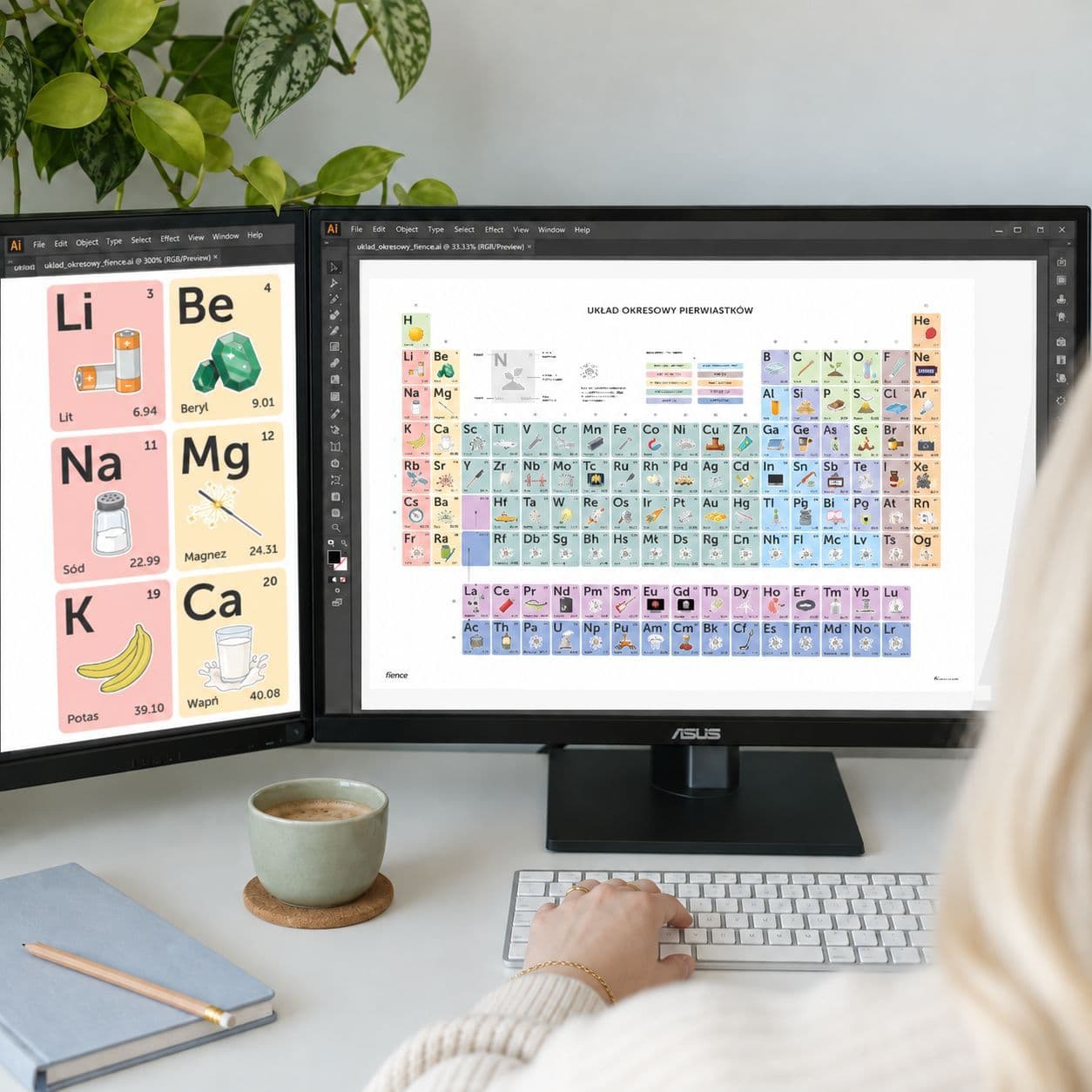
We redraw the chosen sketch in vectors, curve by curve. That way the same illustration looks good on an A7 flashcard and on a B1 poster.
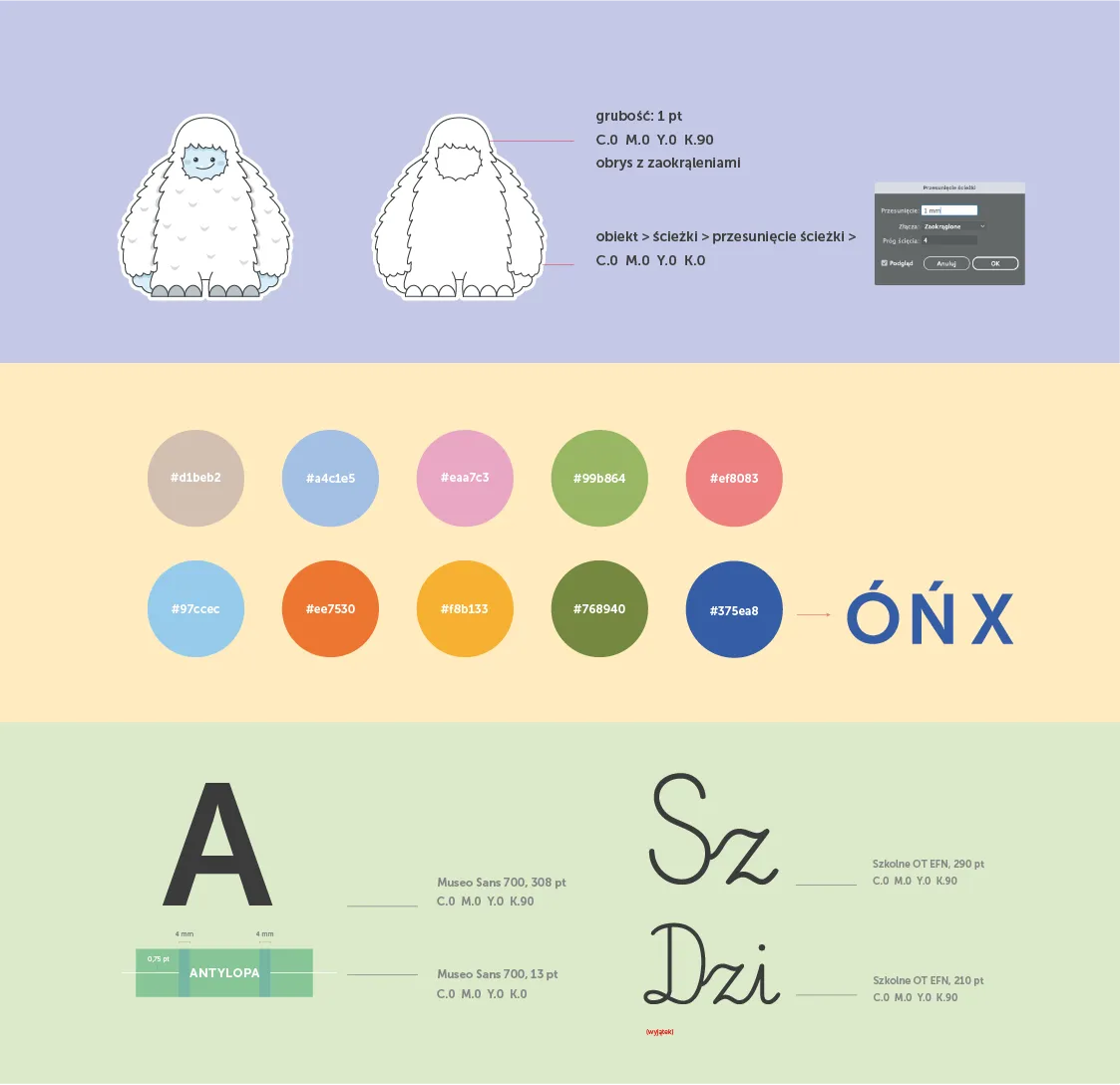
We draw every series, from chemistry and maps to languages, by the same rules: one palette, one outline weight, one typography. That is why our materials from different fields look like one family.
This is also where decisions about content are made. We check the facts with people who know the subject, because a nice drawing with a mistake is still a mistake.


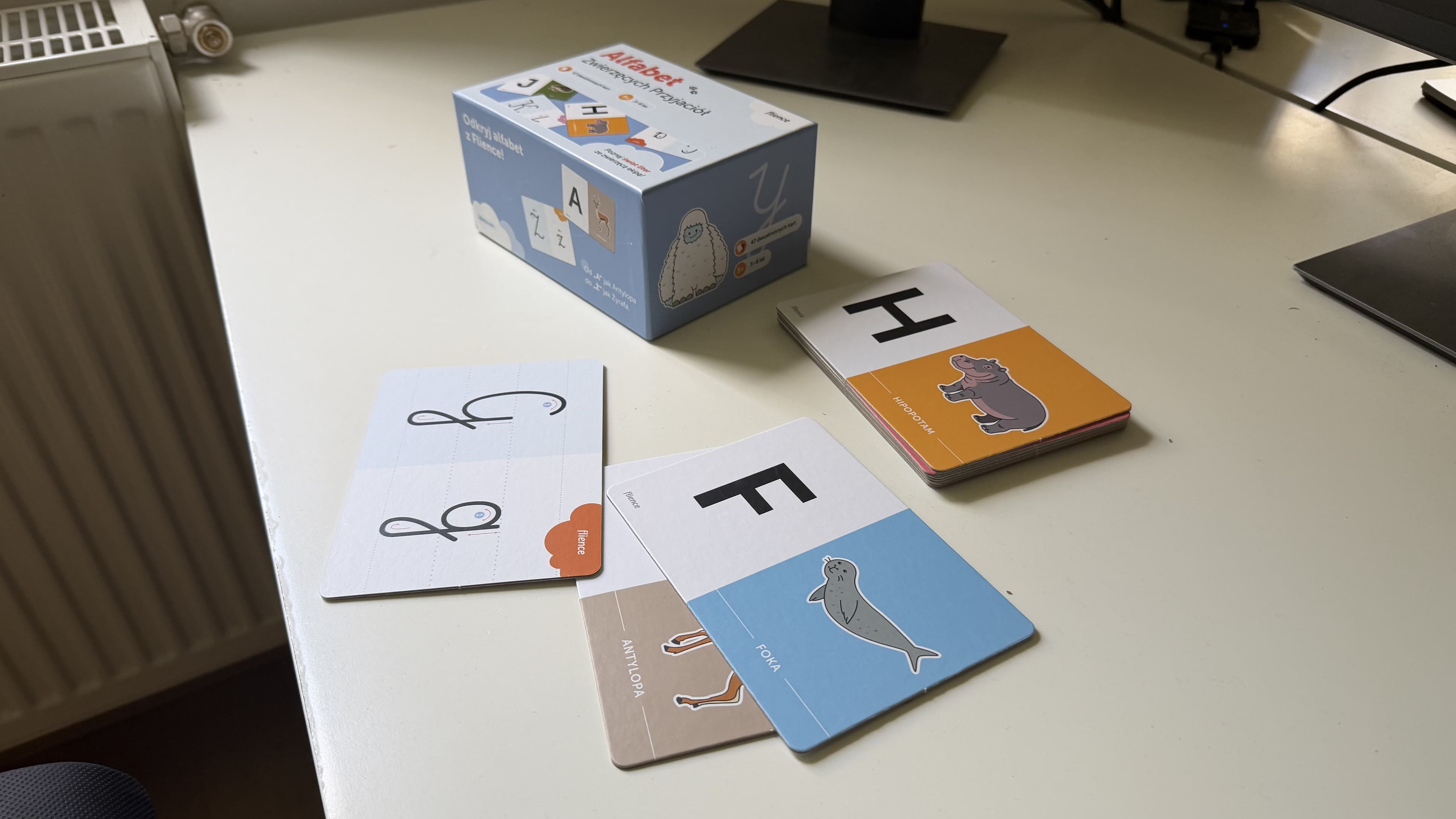
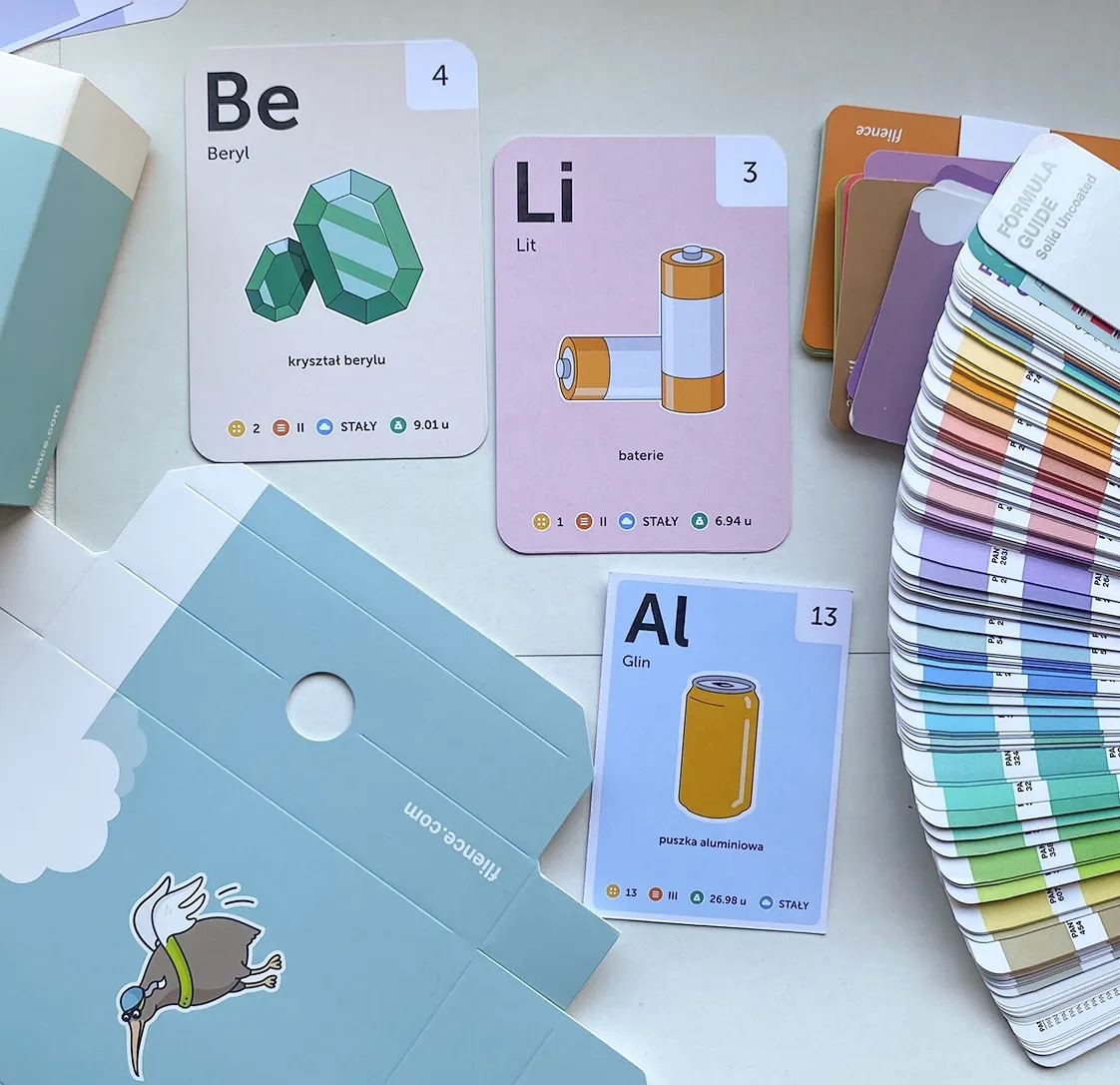
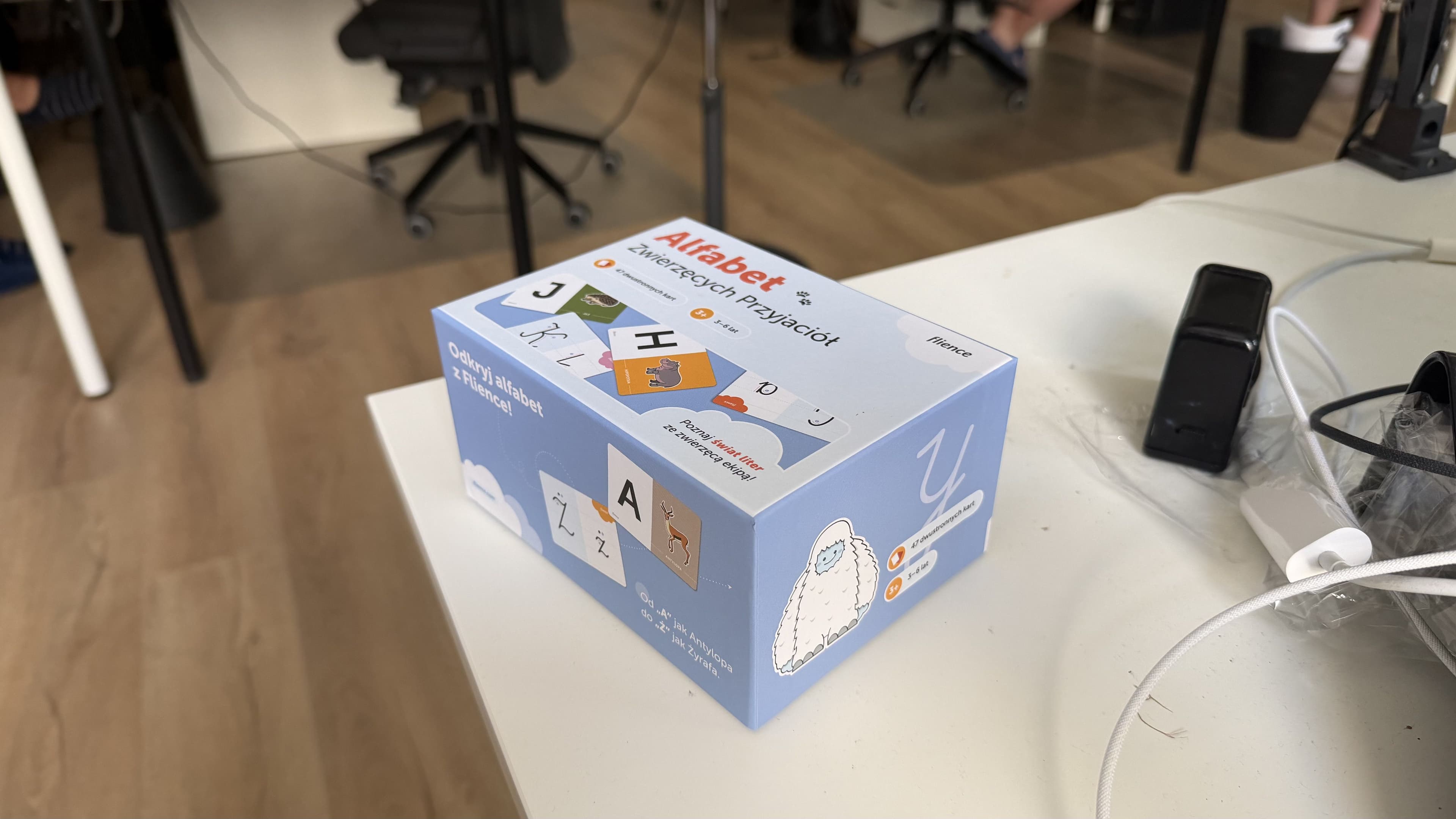
We make test prints, compare colours in daylight and choose paper that can withstand hundreds of little hands.
We compare the test print with the screen by a window, sheet next to sheet.
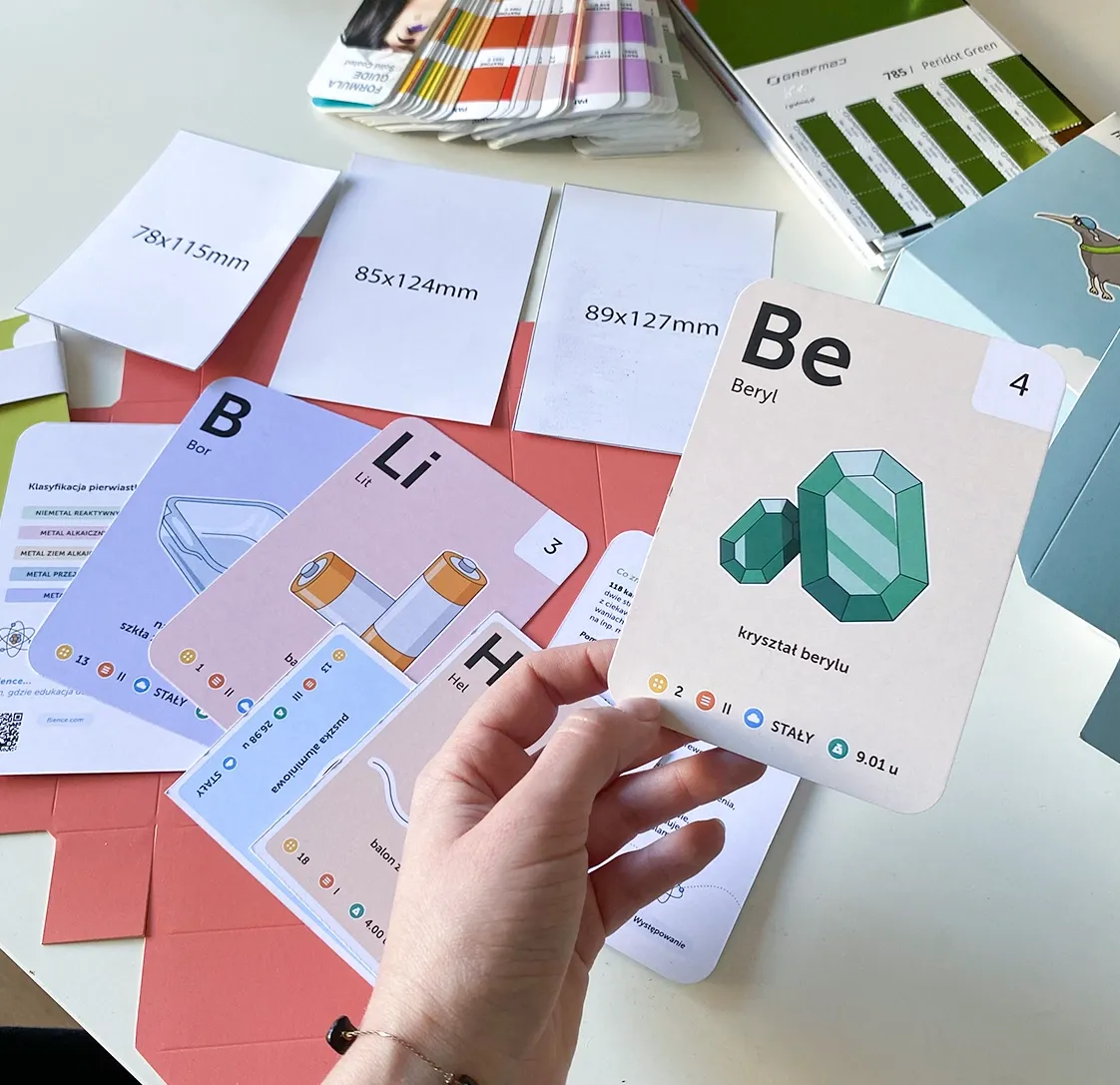
We test paper weight in practice: we fold and shuffle until we know which one will last.


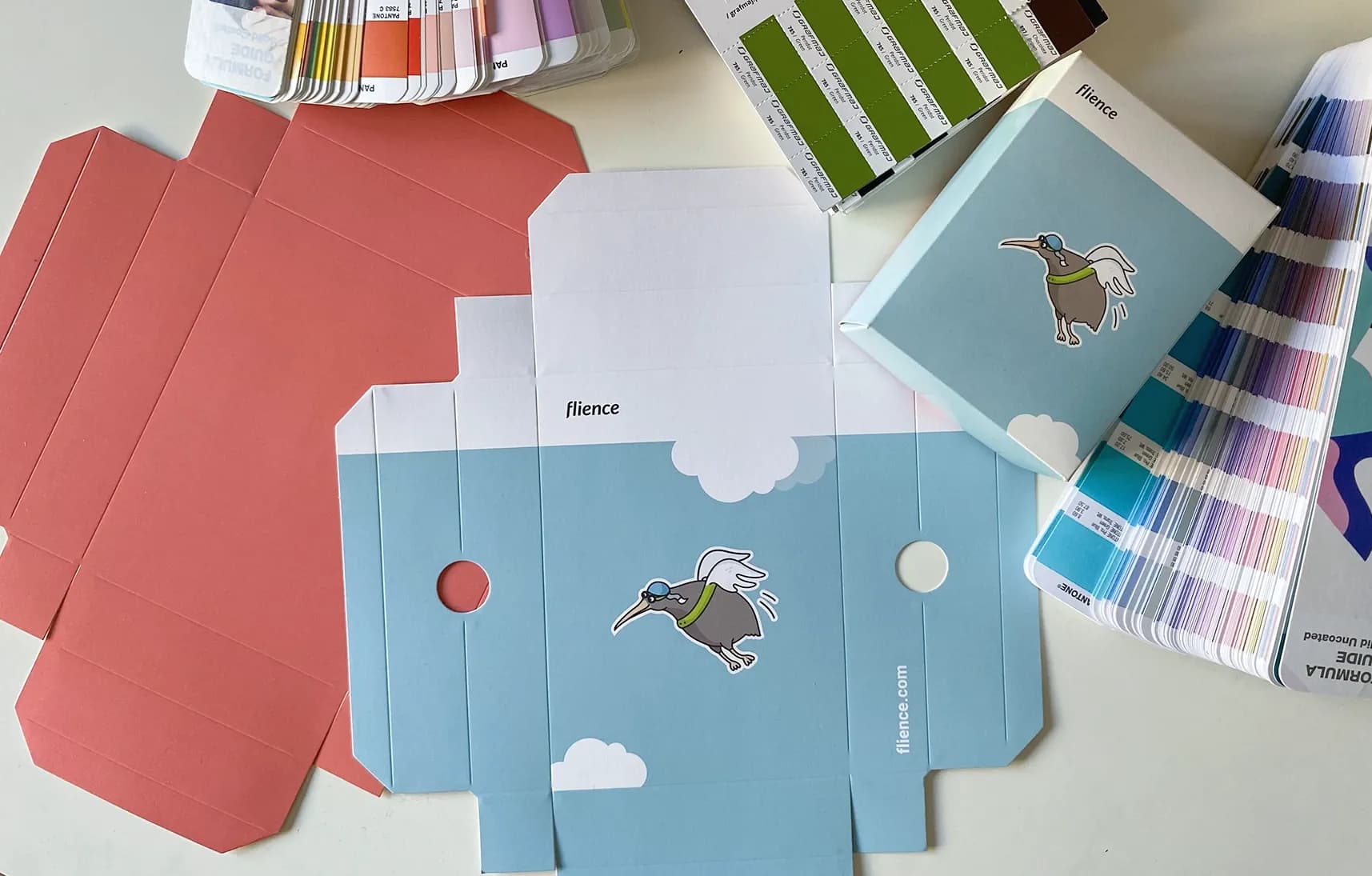
We glue box mock-ups by hand to check whether the lid comes off easily and whether the box will survive a school bag.
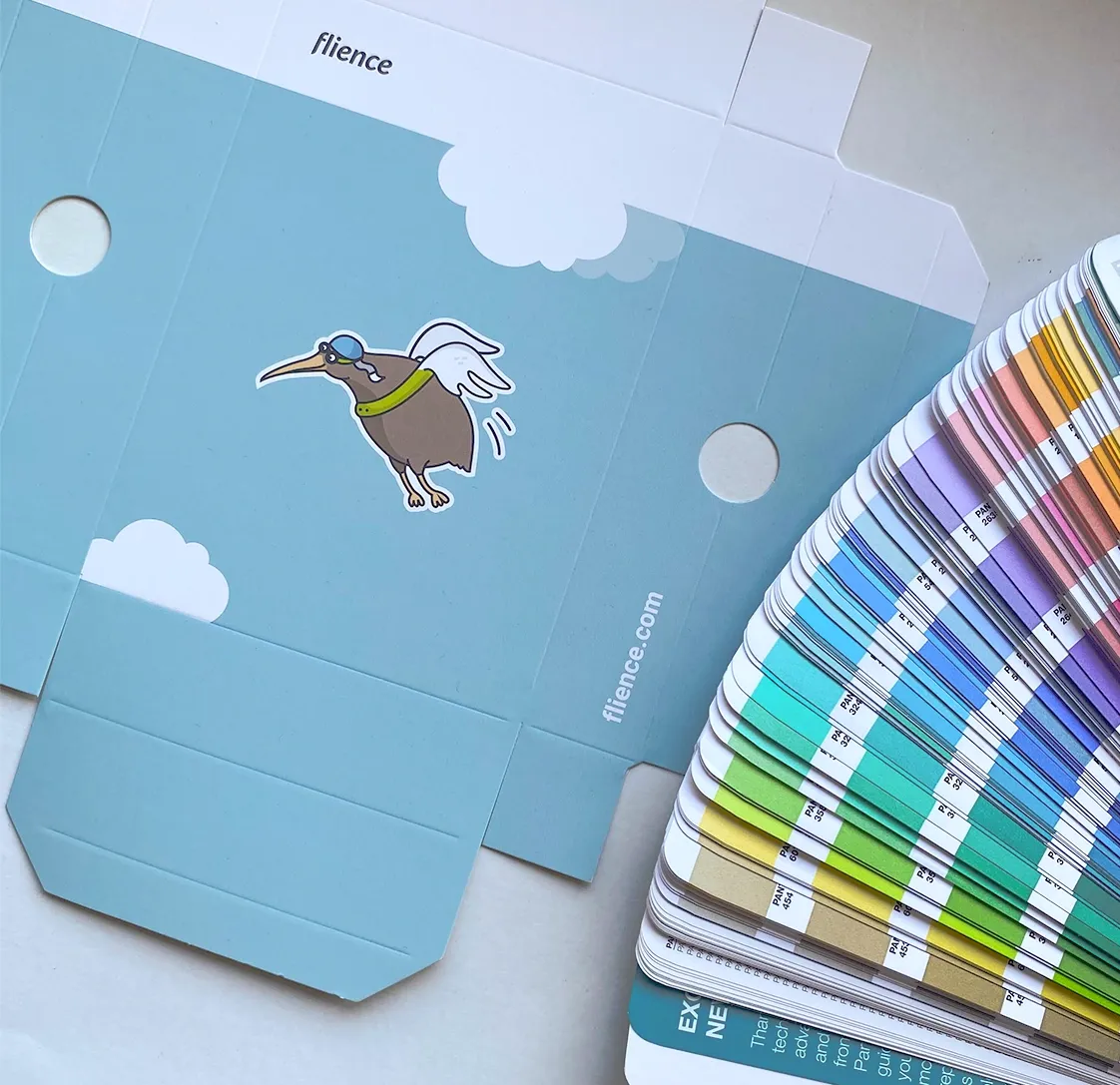
The first mock-up: a knife, ruler, glue and plenty of patience.
The die line before cutting: cut and crease lines on a single sheet.


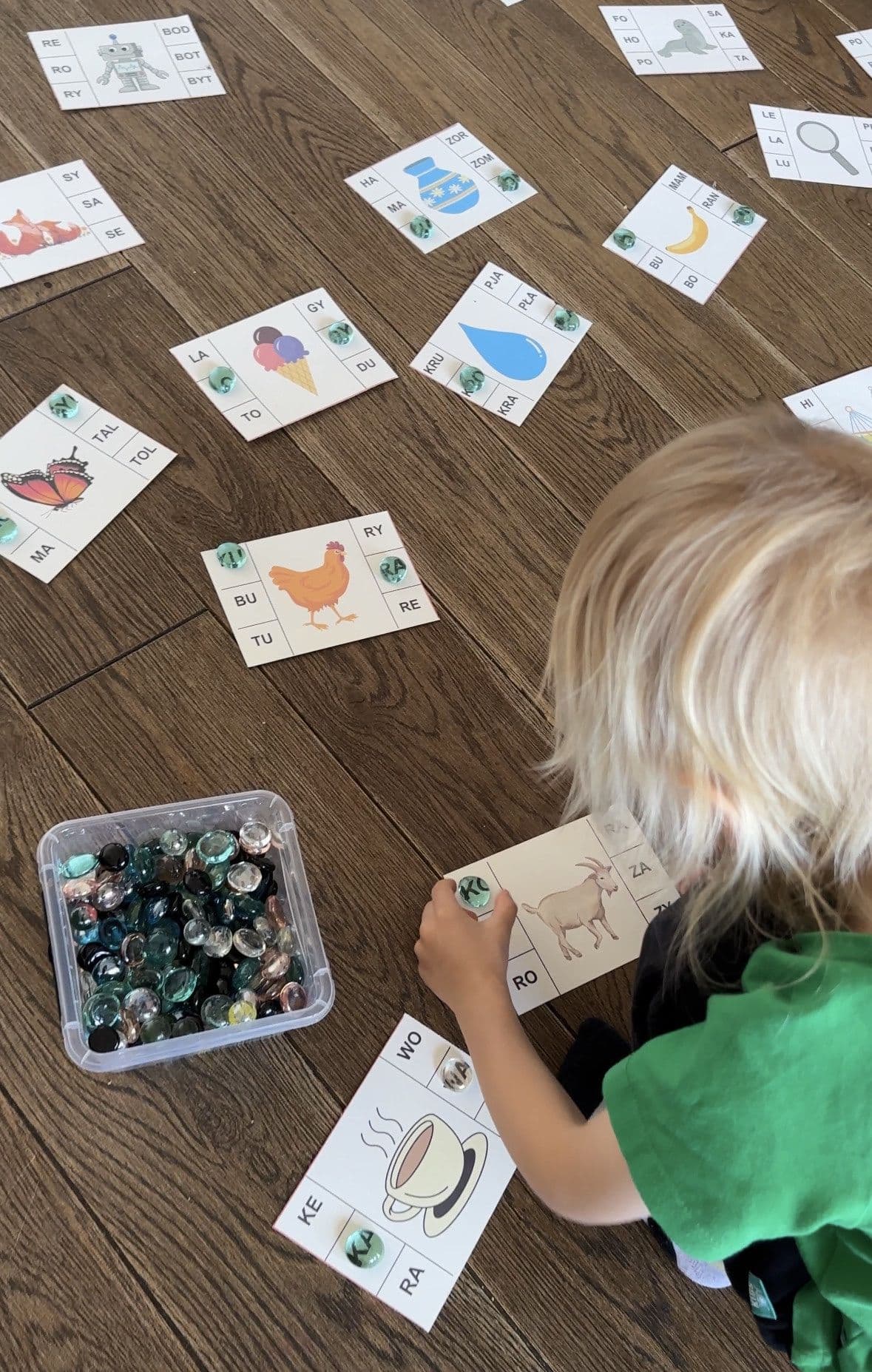
We put the finished set in front of children. If they reach for it on their own, we print. If not, we go back to the sketches.
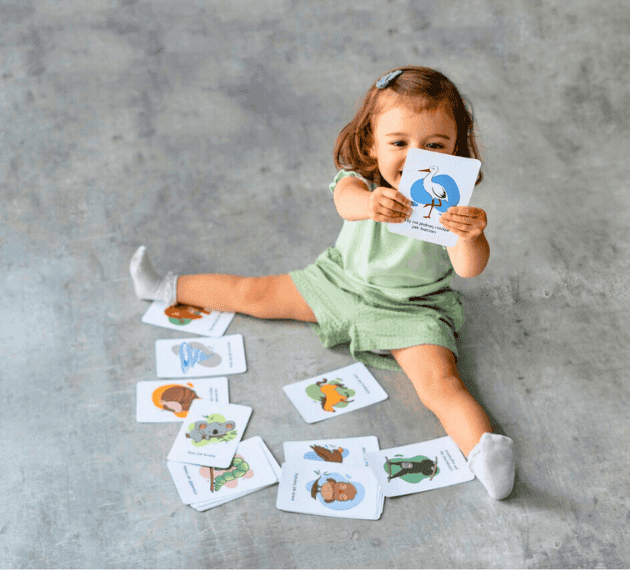
The verdict comes from the little ones: they either stay with the cards or go back to their toys.
We watch which cards children reach for on their own and which ones hold their attention for longer.
and that’s fine.
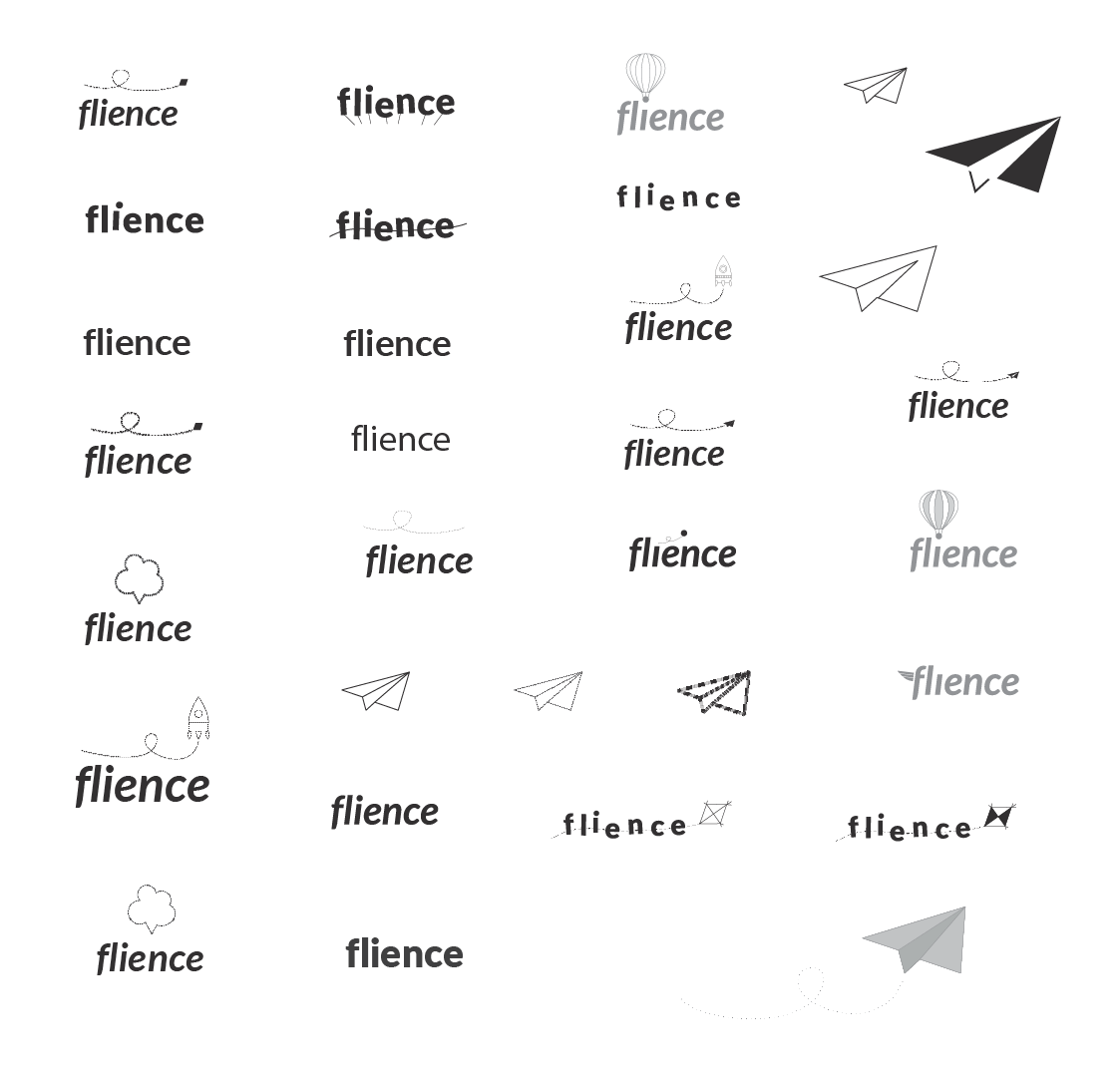
The name Flience comes from two English words: fly and science. Flight and learning. We joined them because we wanted a single word to capture what we stand for: knowledge presented in a way that doesn’t weigh you down.
The patron of our mission is a kiwi, a flightless bird. His name is Kiwio, and he reminds us of all the learning aids that also need wings. Flience, where education gets its wings.